
 PDF Download
 PubReader
 Export Citation
 Email the Author
 Share Facebook
 Share Twitter
 Cited by 0 Article
 Metrics (View:1,227)








Introduction
Excessive sodium intake is recognized as a major cause of hypertension, cardiovascular disease, and kidney disease, with approximately 1.89 million deaths annually attributed to excessive sodium consumption (GBD, 2020; Filippini et al., 2021). The World Health Organization (WHO) recommends that adults consume less than 2,000 mg of sodium per day. However, the current global average sodium intake exceeds 4,310 mg per day, more than double the WHO recommendation (WHO, 2023). According to the Korea Disease Control and Prevention Agency (KDCA), the average daily sodium intake in Korea in 2024 was 3,075 mg, representing a decrease of 35.8% (1,714 mg) compared to 2011 before the implementation of sodium reduction policies, and a decrease of 6.5% (214 mg) compared to 2019. However, this level remains 1.6 times higher than the WHO recommendation, emphasizing the need for continued sodium reduction policies (KDCA, 2025a, b).
Reduction of sodium in foods can lead to weakened saltiness and induce changes in taste interactions, such as increased bitterness and decreased sweetness, which may negatively affect consumer preference (Breslin & Beauchamp, 1997). Therefore, flavor enhancement through umami substances, yeast extracts, and peptides is required to compensate for the reduced saltiness and acceptability of low-sodium foods (Rocha et al., 2020). Umami taste is known to partially reduce sodium while maintaining saltiness and acceptability (Morita et al., 2020). Korea, China, and Japan utilize soy sauce as a representative natural umami seasoning (Yanfang & Wenyi, 2009; Dunteman et al., 2022). Soy sauce possesses complex flavors including umami, saltiness, sweetness, sourness, and bitterness, with umami being the predominant taste (Chen et al., 2023). The umami taste of soy sauce is attributed to amino acids and peptides, particularly free amino acids such as Glu, Asp, Phe, Ala, Gly, and Tyr (Lioe et al., 2007; Zhu et al., 2021). Studies have reported that up to 50% of salt can be replaced with soy sauce in foods such as stir-fried pork, tomato soup, and salad dressing without reducing saltiness or acceptability (Kremer et al., 2009; Goh et al., 2011). Park et al. (2015) also reported that using soy sauce instead of salt resulted in stronger perceived saltiness, leading to sodium intake reductions of 63.9% in chicken porridge and 22.0% in bean sprout soup.
Despite the saltiness enhancement and sodium reduction effects of soy sauce as a salt substitute, in Asian countries such as Japan where soy sauce is used as a major seasoning, a significant portion of sodium intake has been found to originate from soy sauce used in cooking (WHO, 2007; Anderson et al., 2010). Soy sauce is a high-salt fermented food containing 18%–20% salt to inhibit harmful microbial growth and maintain quality during fermentation (Sassi et al., 2021). One tablespoon (15 mL) of brewed soy sauce contains approximately 963 mg of sodium, which is close to half of the WHO daily sodium intake recommendation (2,000 mg/day) and the Korean Dietary Reference Intake for chronic disease risk reduction (2,300 mg) (MOHW & KNS, 2020; WHO, 2023). Long-term use of soy sauce may lead to excessive sodium intake (Sassi et al., 2021), and low-sodium soy sauce has gained attention as an alternative for sodium reduction (Kremer et al., 2009; Sassi et al., 2021; Liu et al., 2023).
Sensory evaluation is essential for assessing changes in sensory characteristics and sodium intake reduction effects of low-sodium soy sauce following sodium reduction (Hoppu et al., 2017; Diez-Simon et al., 2020; Manosubsak & Lorjaroenphon, 2020; Mihafu et al., 2020). Although sensory evaluation is conducted by trained panels, it has limitations in objectivity and reproducibility as results can vary depending on psychological factors, subjectivity, and fatigue (Kobayashi et al., 2010; Marques et al., 2022). As an alternative to conventional sensory evaluation, quantitative and objective artificial lipid membrane-based electronic tongues have been developed (Legin et al., 1997; Zhang et al., 2023). Electronic tongues can evaluate bitterness, astringency, pungency, metallic taste, and aftertaste, which are difficult to measure in sensory evaluation, and are utilized not only in food but also in the pharmaceutical field (Woertz et al., 2011; Steiner et al., 2024; Lee, 2026).
Research on soy sauce using electronic tongues has primarily focused on classification of soy sauce (Ou-Yang et al., 2011; Zhao et al., 2020a) and characteristic analysis focusing on umami taste (Zhang et al., 2023; Cai et al., 2024) and sweetness (Zhao et al., 2020b). However, no studies have been reported that analyze the saltiness enhancement effect of soy sauce using both sensory evaluation and electronic tongue. To date, research on soy sauce has mainly focused on physicochemical and sensory characteristics of brewed soy sauce, and quality characteristics of low-sodium soy sauce according to salt reduction processes and manufacturing methods (Fidaleo et al., 2012; Diez-Simon et al., 2020; Guo et al., 2021; Zheng et al., 2024; Liu et al., 2025; Zhou et al., 2025). Research on sodium intake reduction through culinary application has been centered on brewed soy sauce, and studies on low-sodium soy sauce are relatively lacking (Kremer et al., 2009; Goh et al., 2011; Park et al., 2015).
In this study, we aimed to analyze the saltiness enhancement effect of commercially available brewed and low-sodium soy sauces using both electronic tongue and sensory evaluation, and ultimately to investigate the degree of sodium intake reduction of brewed and low-sodium soy sauces using bean sprout soup.
Materials and Methods
The soy sauces used in this experiment are shown in Table 1. One Japanese company (standard, S) was selected as the control, and three domestic companies (A, B, C) were selected as experimental groups. A total of eight types of soy sauce were used: general brewed soy sauce (GS) and brewed low-sodium soy sauce (LS) from each company. The S product was selected as the control for this experiment because it was manufactured with only soybeans, wheat, water, salt, and alcohol without additives. The experimental groups were selected as products from the same company that sold both brewed soy sauce and low-sodium soy sauce. For sensory evaluation, bottled water (Kwang Dong Pharm. Co., Jeju, Korea), NaCl (Sodium chloride 99.5%, Sigma-Aldrich Co., St. Louis, USA), sucrose (CJ Cheiljedang Co., Incheon, Korea), and soy milk (Dr. Chung’s Food Co., Ltd., Cheongju, Korea) were used. Bean sprouts (CJ Cheiljedang Co., Incheon, Korea), garlic, and green onions were purchased from a local supermarket. All solutions used for electronic tongue measurement were purchased from Insent (Intelligent Sensor Technology, Inc., Kanagawa, Japan).
Electronic tongue measurement was performed using TS-5000Z (Intelligent Sensor Technology, Inc., Kanagawa, Japan). Cups and solutions were purchased from Insent, and measurements were performed according to the manual. Reference solution (30 mM KCl, 0.3 mM tartaric acid), cleaning solution (30 vol% EtOH, 100 mM HCl or 30 vol% EtOH, 10 mM KOH and 100 mM KCl), and sample solutions were prepared by adding 37 mL each to cups according to the designated line of the dedicated cup. A saltiness sensor was used, and the internal solution (3.33 M KCl saturated AgCl) was filled inside the sensor and pretreated by immersion in the reference solution for 24 hours according to the manual. Before measurement, sensitivity and stability were confirmed through a self-diagnostic program.
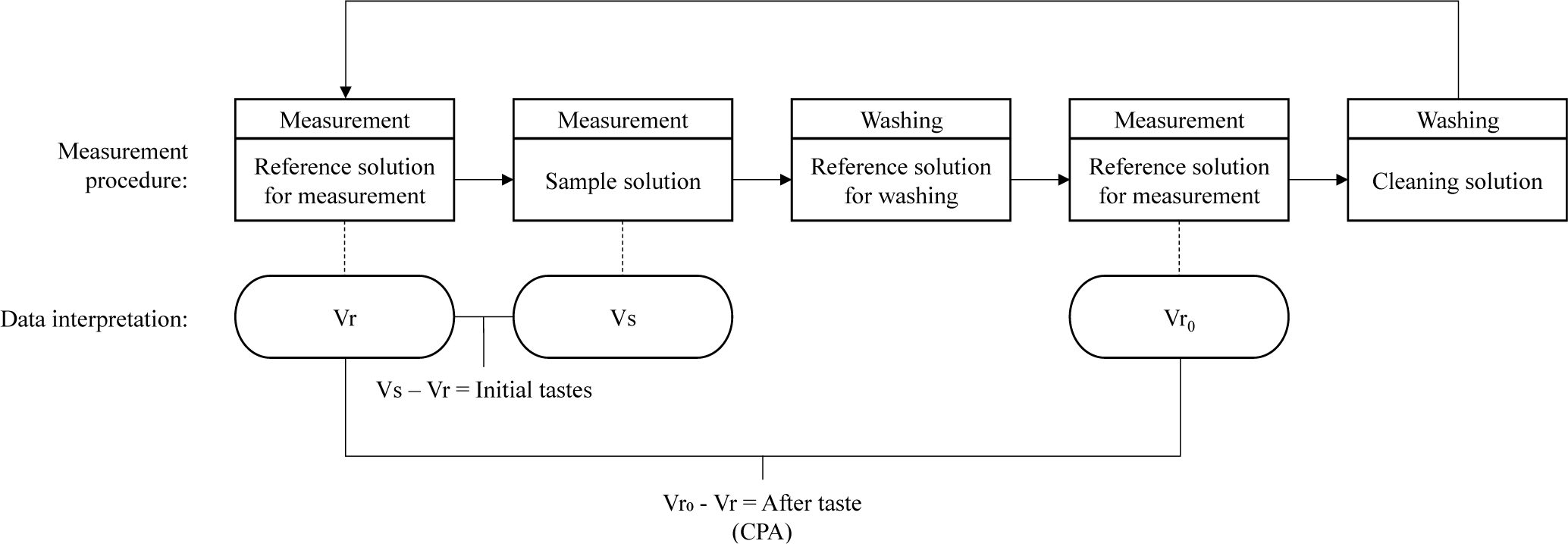
The measurement method of the electronic tongue is shown in Fig. 1. The output value of the electronic tongue represents the membrane potential change of the sample solution, indicating the relative potential difference of the sample relative to the reference solution. First, the membrane potential (Vr) of the reference solution for measurement was measured, then the membrane potential (Vs) of the sample was measured, and the basic taste data of the sample was output as the difference between the two potentials (Vs–Vr). Subsequently, the sensor was washed with the cleaning reference solution, and the potential (Vr0) of the reference solution for measurement was re-measured to calculate aftertaste (CPA, Change of membrane Potential caused by Adsorption) data (Vr0–Vr). After all measurements were completed, the sensor was washed with alcohol cleaning solution (strongly acidic or strongly basic) according to sensor characteristics to remove taste substances adsorbed on the sensor surface and minimize effects on the next sample. Measurements were performed at 25°C and repeated four times, and the average value of three measurement data excluding one unstable measurement was used as the final measurement value. To measure the saltiness enhancement effect, samples were prepared by diluting all soy sauces at the same ratio to achieve a final NaCl concentration of 30 mM, in order to confirm the saltiness enhancement effect according to taste characteristics such as umami rather than the salt content of each soy sauce. Electronic tongue data is derived as the difference from sample 1, which serves as the reference. In this experiment, salt water (NaCl 30 mM) was used as sample 1 to evaluate the saltiness enhancement effect of soy sauce samples with the same NaCl concentration.
The preparation method for bean sprout soup was referenced from Park et al. (2015), and the formulation is shown in Table 2. Bean sprouts and water were placed together in a pot and heated over high heat for 15 minutes, then minced garlic and green onions were added and boiled for an additional 3 minutes over medium heat. The heat was turned off and cooled for 10 minutes, and only the clear broth was used after removing the solid ingredients. Samples were then prepared by adding the designated amount of soy sauce to the broth. The soy sauce addition range for bean sprout soup samples was determined through preliminary experiments. The concentration with the best acceptability in preliminary experiments was set as the median value, with GS ranging from 55–75 mM (5 mM intervals) and LS ranging from 45–65 mM (5 mM intervals), for a total of five concentration levels. Since brewed soy sauce and low-sodium soy sauce showed different optimal acceptability concentration ranges, the concentration ranges were set differentially.
| Ingredients | (g) |
|---|---|
| Bean sprouts | 110 |
| Minced garlic | 2 |
| Welsh onion | 4 |
| Water | 884 |
| Total | 1,000 |
Non-smokers who do not drink excessively were recruited from students in the Department of Korean Cuisine at Jeonju University. For panel selection, basic taste recognition tests and saltiness ranking tests were conducted. The basic taste recognition test tested the ability to distinguish three tastes: salty (NaCl 0.05%), sweet (Sucrose 0.40%), and tasteless (water). The saltiness ranking test used soy milk to confirm the ability to perceive saltiness in culinary application samples. Samples of 0.05%, 0.08%, 0.12%, and 0.15% NaCl were presented and evaluated using a ranking test method. Thirty people (12 males, 18 females) who passed both the basic taste recognition test and saltiness ranking test were selected as acceptability evaluation panels. Saltiness intensity recognition training to distinguish the saltiness intensity of 25–80 mM (5 mM intervals) NaCl solutions was conducted 1–2 times per week for 8 months with the 30 panels. After training, 13 people (4 males, 9 females) with an accuracy rate of 90% or higher were selected as saltiness intensity evaluation panels. All samples used for panel selection and training were presented in 70 mL white plastic cups (PS sauce cup, PP lid, Ø70×H30 mm, Daeheung Pojang Co., Ltd., Jeonju, Korea) containing 30 mL each, assigned three-digit random numbers, and presented randomly. Water was provided during evaluation, and panelists were instructed to rinse their mouths before and after evaluating each sample.
Samples for evaluating the saltiness enhancement of soy sauce were prepared by diluting all soy sauces to the same concentration using water and standardizing to a final NaCl concentration of 30 mM. To minimize the influence of color, samples were presented in 30 mL portions in black disposable 70 mL plastic containers with lids (PS sauce cup, PP lid, Ø70×H30 mm, Daeheung Pojang Co., Ltd.). Sample containers were assigned three-digit random numbers and presented randomly, with black plastic teaspoons (1.08±0.07 mL) provided. Panelists were instructed to taste one teaspoon amount, and after evaluating one sample, to rest for 30 seconds while rinsing their mouths with room temperature (20–25°C) water. Before evaluation, panel verification was conducted by performing a ranking test with NaCl solutions (25–80 mM, 5 mM intervals) to familiarize panelists with the saltiness intensity standards. Subsequently, NaCl solutions of the same concentration (25–80 mM, 5 mM intervals) were presented as saltiness intensity reference samples to be used as a scale. Panelists were instructed to compare the saltiness of soy sauce samples with the reference samples and cite the reference sample perceived as having the same saltiness. Intermediate values were allowed if necessary.
Samples for evaluating sodium intake reduction through culinary application are shown in Table 2. Five bean sprout soup samples were prepared for each of the eight soy sauce samples, for a total of 40 samples. To prevent taste desensitization, five bean sprout soup samples were designated as one set, and after each set was completed, panelists were instructed to rest for 3 minutes while rinsing their mouths with room temperature (20–25°C) water. Bean sprout soup samples were presented in 30 mL portions in black disposable 70 mL plastic containers (PS sauce cup, PP lid, Ø70×H30 mm, Daeheung Pojang Co., Ltd., Jeonju, Korea) and stored in an electric warmer (WS-HC 070, Woosung Enterprise Co., Pyeongtaek, Korea) at 50°C. To minimize temperature changes during evaluation, samples were provided in insulated bags. Sample containers were assigned three-digit random numbers and presented randomly, with black plastic teaspoons provided, and panelists were instructed to taste the entire amount of one teaspoon (1.08±0.07 mL). Overall acceptability was evaluated using a 9-point scale (1=dislike extremely, 9=like extremely). All sensory evaluations in this study were conducted with approval from the Institutional Review Board of Jeonju University (IRB No. jjIRB-250828-HR-2024-0502).
Statistical analysis was performed using SPSS Version 29.0.2.0 package program (SPSS IBM., Chicago, USA). Analysis of variance (ANOVA) and Duncan’s multiple range test were used to test for significant differences (p<0.05) between samples. Comparative analysis of culinary application experiments was performed using paired 2-sample t-tests to verify significant differences (p<0.05) between samples.
Results and Discussion
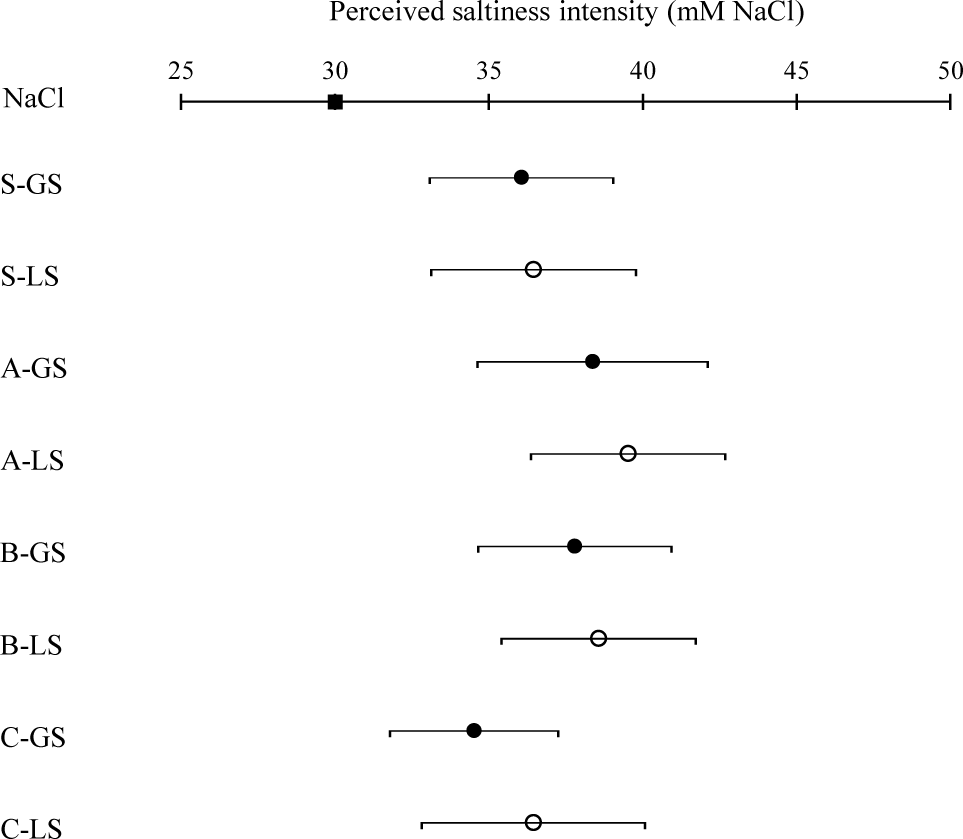
The saltiness enhancement effect of brewed and low-sodium soy sauces through sensory evaluation is shown in Table 3 and Fig. 2. When all soy sauces were diluted equally and total NaCl was adjusted to 30 mM, all soy sauce samples showed higher saltiness compared to the reference NaCl 30 mM salt water. In sensory evaluation results, A-LS among low-sodium soy sauces was perceived as having the highest saltiness at 39.42±3.70 mM, and among brewed soy sauces, A-GS (38.27±3.73) and B-GS (37.69±3.14) were perceived as highest. The saltiness enhancement effect in sensory evaluation was highest in the order of A-LS (31.41%), B-LS (28.21%), A-GS (27.56%), B-GS (25.64%), S-LS and C-LS (21.15%), S-GS (19.87%), and C-GS (14.74%), with all companies showing higher effects in low-sodium soy sauce compared to brewed soy sauce. The saltiness enhancement effect was found to be superior in low-sodium soy sauce in both sensory evaluation and electronic tongue. In the study by Yun et al. (2015), low-sodium soy sauce was also perceived as saltier than brewed soy sauce at the same NaCl content, similar to the results of this study.
The stronger saltiness of soy sauce samples compared to salt water despite the same NaCl content is thought to be due to saltiness- enhancing substances in soy sauce. Among these, saltiness-enhancing peptides are specific peptides that induce saltiness in the oral cavity. They consist of 2–6 amino acids and have no saltiness themselves but enhance saltiness perception when present with NaCl (Yamamoto et al., 2014; Le et al., 2022). Saltiness-enhancing peptides have been reported to enhance saltiness by being recognized through hydrogen bonding, salt bridge formation, and hydrophobic interactions with TMC4, one of the saltiness perception channels (Kasahara et al., 2021; Shen et al., 2022). The saltiness enhancement effect of soy sauce is attributed to saltiness-enhancing peptides such as Leu-Arg, His-Leu, Phe-Ile, Phe-His, Leu-Glu, Glu-Glu, Glu-Asp, Asp-Glu, and Asp-Asp found in soy sauce (Tamura et al., 1989; Lioe et al., 2005; Yamamoto et al., 2014; Rhyu et al., 2020). In addition, free amino acids such as Glu, Asp, Ala, and Arg, which are abundant in soy sauce, are known to enhance saltiness (Kawasaki et al., 2016; Rhyu et al., 2020). Specifically, these umami-active free amino acids and distinct peptides synergistically interact with saltiness perception channels, such as TMC4. This synergistic binding alters the receptor’s conformation and lowers the activation threshold for sodium ions, effectively amplifying the perceived saltiness intensity even at lower sodium concentrations (Kasahara et al., 2021; Sun et al., 2022). The higher saltiness enhancement effect of low-sodium soy sauce compared to brewed soy sauce is thought to be due to the higher content of saltiness-enhancing substances such as peptides and free amino acids in low-sodium soy sauce. Guo et al. (2021) reported that low-sodium soy sauce had higher total nitrogen and amino nitrogen content than brewed soy sauce, and Liu et al. (2023) also reported that low-sodium soy sauce had higher free amino acid content than brewed soy sauce. These results support the hypothesis that the higher saltiness enhancement effect of low-sodium soy sauce is due to higher content of saltiness-enhancing substances. Particularly, the A-LS sample exhibited an exceptionally high saltiness enhancement of 31.41%. This pronounced effect is likely driven by the brand’s specific raw materials and unique formulation rather than the general desalting process alone. Although specific commercial manufacturing methods are confidential, our internal amino acid analysis (data not shown) and sensory evaluation indicated that A-LS possesses a significantly higher ratio of umami-active amino acids and a stronger umami intensity compared to the other samples. As previous studies have established that umami substances strongly synergize with and enhance saltiness perception (Sun et al., 2022), the uniquely high umami composition in A-LS is considered the primary driver of its outstanding saltiness enhancement.
The saltiness enhancement effect of brewed and low-sodium soy sauces through electronic tongue measurement is shown in Table 3. The electronic tongue output values for all soy sauce samples were significantly higher than the NaCl 30 mM salt water reference (p<0.05). Among low-sodium soy sauces, S-LS showed the highest output value at 4.88±0.04 mV, followed by A-LS (4.34±0.05 mV), C-LS (4.31±0.05 mV), and B-LS (3.90±0.03 mV). Among brewed soy sauces, C-GS showed the highest output value at 2.32±0.04 mV, followed by A-GS (2.29±0.03 mV), B-GS (2.03±0.03 mV), and S-GS (1.60±0.02 mV). All companies showed significantly higher electronic tongue output values for low-sodium soy sauce compared to brewed soy sauce (p<0.05), confirming that low- sodium soy sauce has a superior saltiness enhancement effect. The electronic tongue output values exhibited a distinct pattern compared to the sensory evaluation results. While A-LS was perceived as the saltiest in the sensory evaluation, S-LS showed the highest output value in the electronic tongue measurement. This discrepancy is attributed to the fundamentally different measurement principles between integrated human perception and the artificial sensor system. Sensory evaluation represents a holistic cognitive response where saltiness perception is influenced by complex synergistic interactions. Specifically, the high saltiness perception in samples like A-LS may be significantly enhanced by the synergy between specific umami-active peptides, yeast extracts, and human taste receptors such as TMC4 (Kasahara et al., 2021; Shen et al., 2022). Furthermore, human perception is subject to cross-modal effects, where the characteristic aroma of soy sauce may cognitively enhance the perceived saltiness intensity—a biological integration that an artificial membrane cannot replicate (Onuma et al., 2018).
In contrast, the electronic tongue detects relative membrane potential changes driven purely by physicochemical, ionic, and hydrophobic interactions on an artificial lipid membrane, without the capacity for human-like cognitive taste integration (Legin et al., 1997; Kobayashi et al., 2010; Zhang et al., 2023). While the electronic tongue serves as a highly objective tool for screening the physicochemical potential of saltiness enhancement, sensory evaluation remains the ultimate standard for verifying actual human perception and consumer acceptability (Kobayashi et al., 2010). Therefore, the results suggest that the superior saltiness of low-sodium soy sauce in practical application is a result of both concentrated taste substances and the complex sensory integration unique to human physiology. Despite these differences, both sensory evaluation and electronic tongue consistently confirmed that low-sodium soy sauce has a superior saltiness enhancement effect compared to brewed soy sauce. This suggests that low-sodium soy sauce can be effectively used as a salt substitute to reduce sodium intake while maintaining saltiness perception.
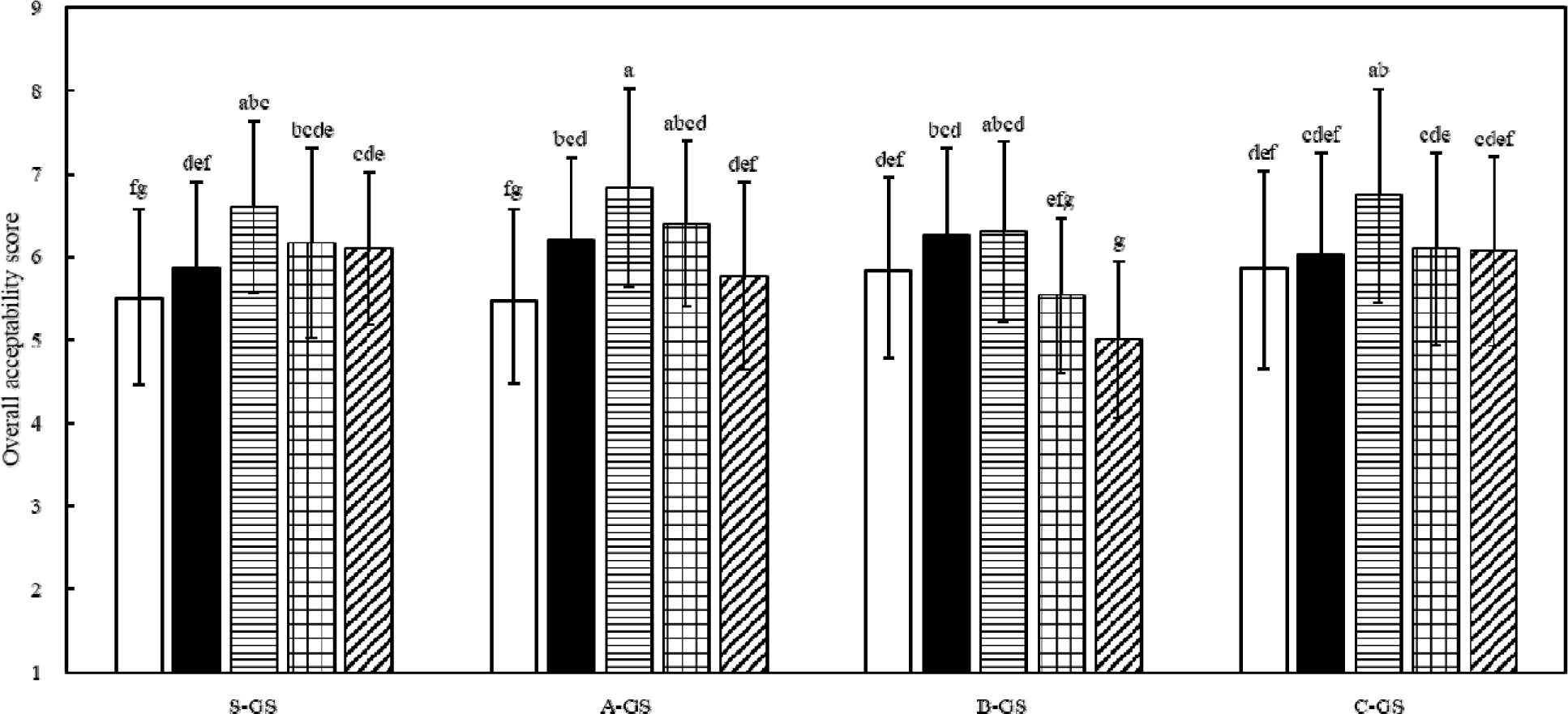
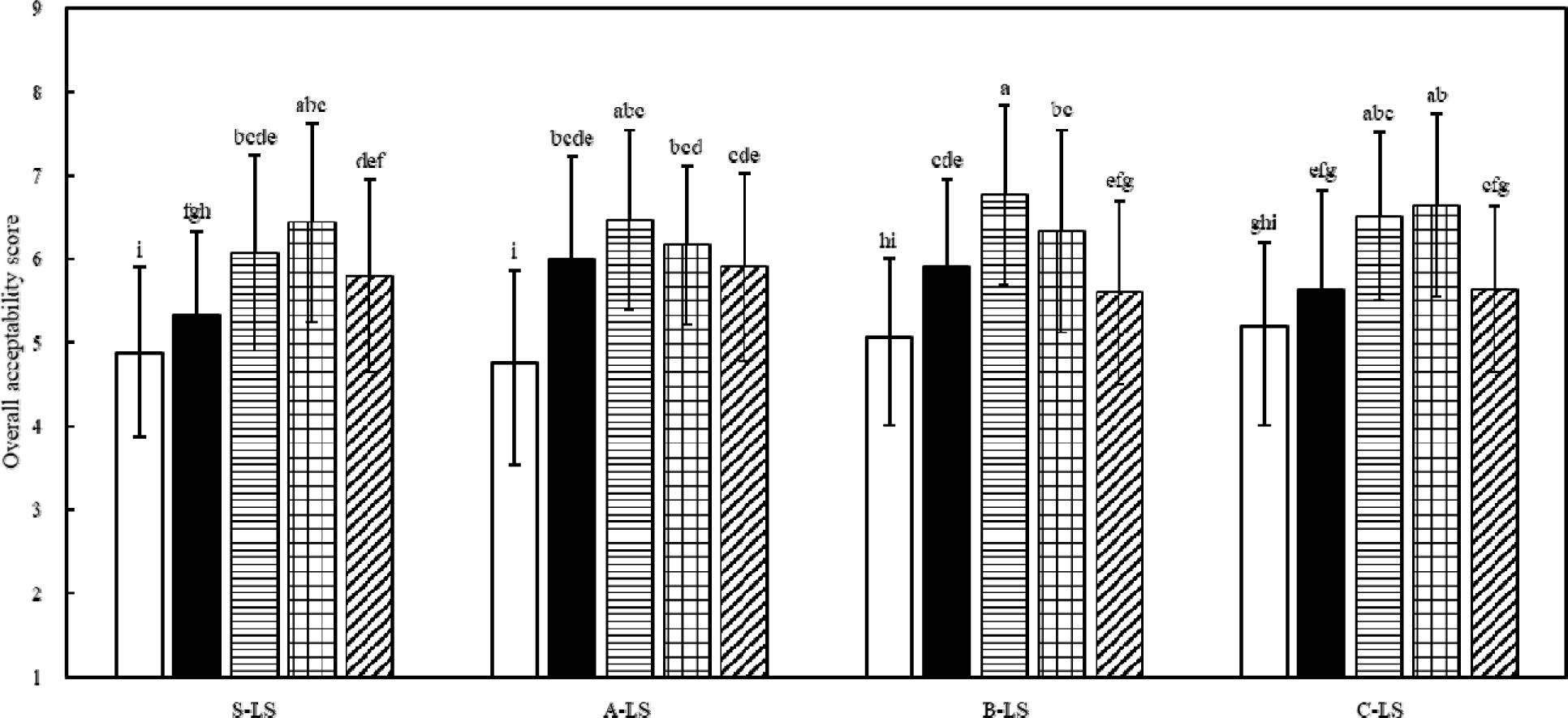
The overall acceptability of bean sprout soup prepared with brewed soy sauce is shown in Fig. 3. For all brewed soy sauce samples, acceptability increased as NaCl concentration increased from 55 mM to 65 mM, then decreased at 70 mM and 75 mM. The optimal acceptability concentration for brewed soy sauce was 65 mM for S-GS, A-GS, and B-GS, and 60 mM for C-GS. The overall acceptability of bean sprout soup prepared with low-sodium soy sauce is shown in Fig. 4. For all low-sodium soy sauce samples, acceptability increased as NaCl concentration increased from 45 mM to 55 mM, then decreased at 60 mM and 65 mM. The optimal acceptability concentration for low-sodium soy sauce was 55 mM for all samples (S-LS, A-LS, B-LS, C-LS). Comparison of overall acceptability between brewed and low-sodium soy sauces at the same NaCl concentrations (55 mM, 60 mM, 65 mM) is shown in Fig. 5. At all three concentrations, low-sodium soy sauce showed significantly higher acceptability than brewed soy sauce (p<0.001). This result indicates that low-sodium soy sauce can achieve higher acceptability than brewed soy sauce at lower NaCl concentrations, confirming the potential for sodium intake reduction. The sodium intake reduction effect was calculated by comparing the optimal acceptability concentrations of brewed and low-sodium soy sauces. For S samples, the optimal concentration was 65 mM for S-GS and 55 mM for S-LS, resulting in a 15.4% sodium reduction. For A samples, the optimal concentration was 65 mM for A-GS and 55 mM for A-LS, resulting in a 15.4% sodium reduction. For B samples, the optimal concentration was 65 mM for B-GS and 55 mM for B-LS, resulting in a 15.4% sodium reduction. For C samples, the optimal concentration was 60 mM for C-GS and 55 mM for C-LS, resulting in an 8.3% sodium reduction. The sodium intake reduction effect was calculated by the following equation: [(Optimal NaCl concentration of GS – Optimal NaCl concentration of LS) / Optimal NaCl concentration of GS] × 100.
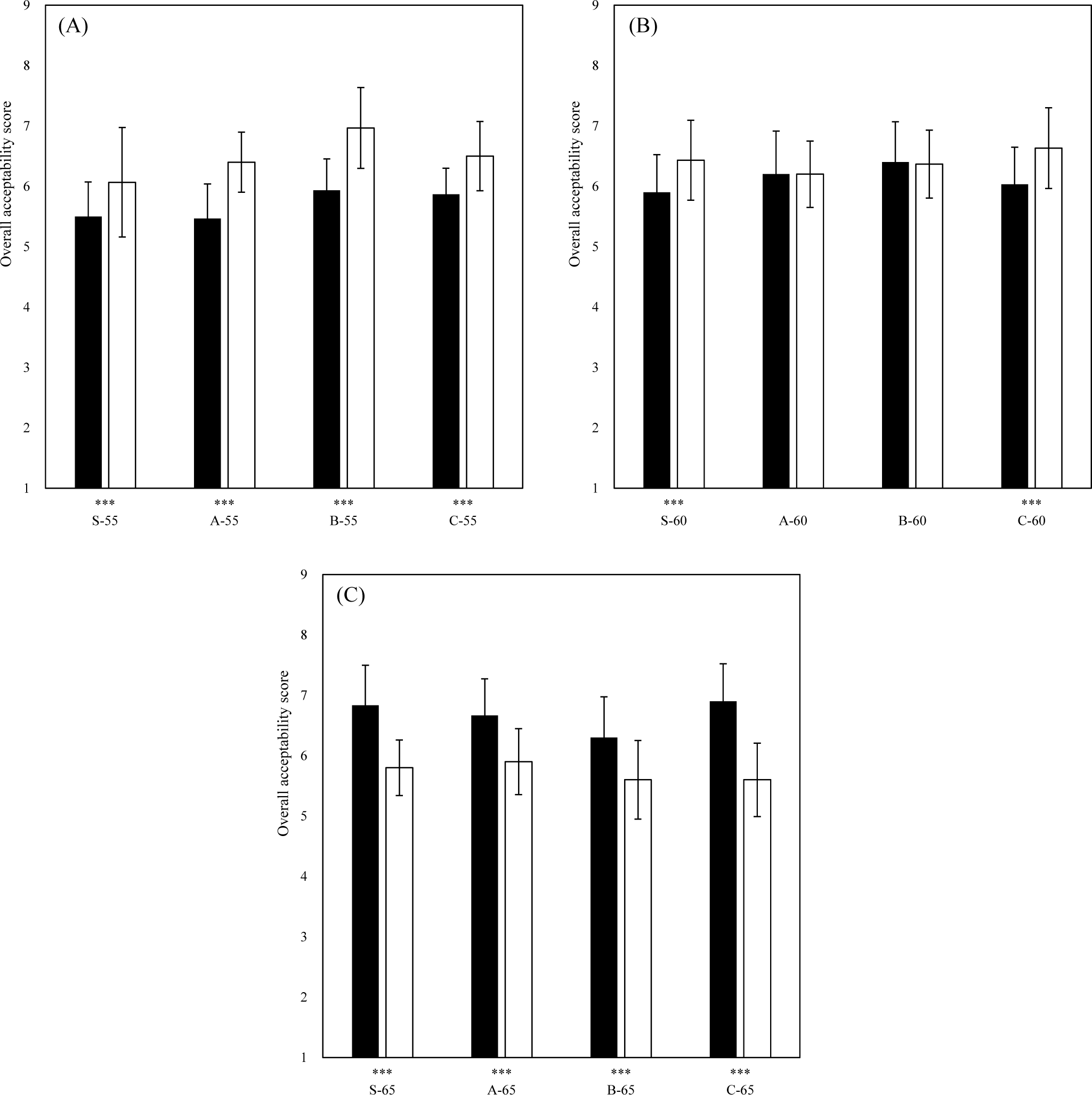
These results demonstrate that low-sodium soy sauce can reduce sodium intake by 8%–15% while maintaining optimal acceptability in bean sprout soup. Although low-sodium soy sauce requires a higher addition level than brewed soy sauce due to its lower salt content, the total sodium intake is still reduced. This confirms that low-sodium soy sauce is an effective strategy for sodium reduction in foods. The higher acceptability of low-sodium soy sauce at lower NaCl concentrations is thought to be due to the saltiness enhancement effect confirmed in sensory evaluation and electronic tongue measurements. The higher content of saltiness-enhancing substances such as peptides and free amino acids in low-sodium soy sauce enhances saltiness perception, allowing for reduced sodium intake while maintaining acceptability.
Conclusion
This study quantitatively evaluated the saltiness enhancement effect of brewed and low-sodium soy sauces using sensory evaluation and electronic tongue, and investigated the sodium intake reduction potential through culinary application. Both sensory evaluation and electronic tongue confirmed that low-sodium soy sauce has a superior saltiness enhancement effect compared to brewed soy sauce. The A-LS sample showed approximately 31% higher saltiness than an NaCl solution of equal concentration in sensory evaluation. In bean sprout soup application, low-sodium soy sauce achieved optimal acceptability at lower NaCl concentrations than brewed soy sauce, resulting in 8%–15% sodium intake reduction. These results confirm that low-sodium soy sauce is an effective strategy for sodium reduction in foods while maintaining saltiness perception and acceptability. Further research is needed to investigate the specific saltiness-enhancing substances in low- sodium soy sauce and to expand the application to various food products.


